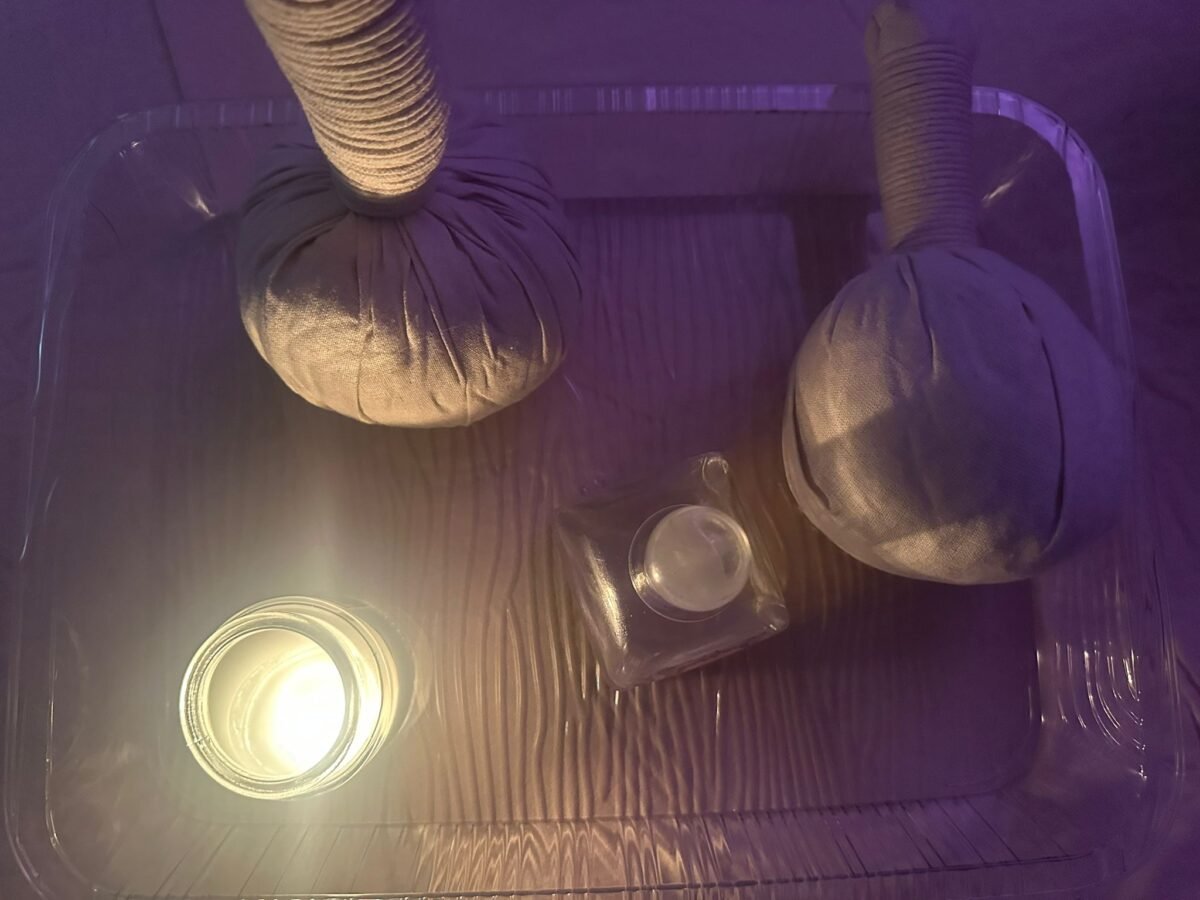
In today’s fast-paced world, stress, fatigue, and mental exhaustion have become common parts of everyday life. Finding time to relax and care for your body and mind is essential for maintaining overall well-being. One popular way to unwind is aromatherapy massage, a wellness treatment that combines the soothing techniques of massage with the pleasant aromas of essential oils.
Aromatherapy massage is widely used to promote relaxation, ease muscle tension, and create a calming environment. Whether you want to relieve everyday stress, enjoy a peaceful self-care session, or improve your relaxation routine, understanding how aromatherapy massage works can help you decide if it is right for you.
In this complete guide, we will explore the benefits of aromatherapy massage, its common uses, popular essential oils, techniques, and important safety precautions.
What Is Aromatherapy Massage?
Aromatherapy massage is a complementary wellness treatment that combines traditional massage techniques with diluted essential oils derived from aromatic plants. These oils may come from flowers, leaves, roots, fruits, and other plant parts.
During a session, a massage therapist applies gentle or moderate pressure using techniques such as long, flowing strokes, kneading, and circular movements. Essential oils are typically diluted in a carrier oil, such as sweet almond, jojoba, or coconut oil, before being applied to the skin.
The treatment works through two main elements:
- Massage: Physical touch and massage movements may help reduce muscle tension, encourage relaxation, and ease feelings of stress.
- Aromatherapy: The scent of essential oils can influence mood, evoke memories, and contribute to a calming or refreshing atmosphere.
Aromatherapy massage is not a replacement for medical treatment. However, many people incorporate it into their self-care routines to support relaxation and general well-being.
Top Benefits of Aromatherapy Massage
Aromatherapy massage offers several potential benefits, particularly when used as part of a balanced wellness routine. Individual experiences vary depending on the oils used, massage techniques, personal preferences, and overall health.
1. Helps Reduce Stress and Promote Relaxation
One of the most popular reasons people choose aromatherapy massage is to unwind after a demanding day.
The combination of soothing touch, a comfortable environment, and calming scents may help the body and mind relax. Lavender and bergamot are commonly selected for their relaxing aromas.
Regular relaxation practices may help people manage everyday stress more effectively. However, aromatherapy massage should not be considered a cure for chronic stress or anxiety disorders.
2. May Help Relieve Muscle Tension
Muscle tightness can develop from prolonged sitting, physical activity, repetitive movements, or everyday stress.
Massage techniques can help ease feelings of muscular tension and temporary discomfort. When combined with a pleasant aromatic experience, the session may also help reduce the perception of physical stress.
Aromatherapy massage may be particularly appealing to people who want a gentle, relaxing treatment after a busy workday or a physically demanding routine.
3. Supports Better Sleep and Rest
Relaxation before bedtime can be an important part of a healthy sleep routine.
Aromatherapy massage using a calming scent, such as lavender, may help some people feel more relaxed before sleep. Massage may also reduce tension that makes it difficult to settle down at night.
For the best experience, consider scheduling a gentle session in the evening and combining it with consistent sleep times, reduced screen exposure, and a comfortable sleeping environment.
Although some research suggests potential benefits, the evidence for aromatherapy as a treatment for insomnia remains limited.
4. May Improve Mood
Scents can influence how people feel because the sense of smell is closely connected to brain regions involved in emotion and memory.
Depending on personal preference, floral, citrus, or herbal aromas may create a soothing, refreshing, or uplifting experience.
For example:
- Lavender is often associated with calmness.
- Sweet orange is popular for its fresh, cheerful aroma.
- Peppermint has a cooling, invigorating scent.
The effects of fragrance are subjective, so choosing an aroma you enjoy is an important part of the experience.
5. Encourages a Sense of Well-Being
Aromatherapy massage provides dedicated time away from daily responsibilities, notifications, and other distractions.
The quiet environment, gentle touch, and sensory experience can make it easier to focus on the present moment. This may encourage mindfulness and provide a sense of comfort.
For many people, the greatest benefit is the opportunity to slow down and prioritize personal well-being.
6. May Help Ease Certain Types of Discomfort
Massage may provide temporary relief from some types of muscular discomfort. Aromatic oils can enhance the sensory experience, although their additional therapeutic effects depend on the specific oil and condition.
People with persistent, severe, or unexplained pain should consult a qualified healthcare professional rather than relying solely on massage.
7. Creates a Personalized Self-Care Experience
Another benefit of aromatherapy massage is its flexibility.
A session can be tailored to individual preferences, including the aroma, massage pressure, room temperature, and overall atmosphere. Some people prefer a gentle, calming massage, while others enjoy a more invigorating experience.
This flexibility makes aromatherapy massage a popular option for relaxation days, wellness retreats, and personal self-care routines.
Common Uses of Aromatherapy Massage
Aromatherapy massage can be incorporated into a variety of wellness routines.
Stress Management
People experiencing everyday stress may use aromatherapy massage to relax and take a break from work or household responsibilities.
Relaxation After Physical Activity
Gentle massage may help relieve feelings of tightness following exercise or prolonged physical activity. It should be adapted to avoid aggravating an injury.
Evening Wind-Down Routine
A calming massage may help create a relaxing transition between a busy day and bedtime.
Spa and Wellness Treatments
Spas frequently offer aromatherapy massage as part of their relaxation and wellness services. Treatments may vary in duration, massage pressure, and essential oil selection.
Personal Self-Care
A short massage using properly diluted essential oils may be incorporated into an at-home relaxation routine, provided the oils are suitable for the individual and used safely.
Best Essential Oils for Aromatherapy Massage
Different essential oils have distinct aromas and are chosen for different sensory experiences. Their traditional uses should not be confused with proven medical benefits.